Material selection in manufacturing and construction carries high stakes. Choosing the wrong metal often leads to costly structural failures. Premature corrosion can easily trigger massive warranty claims and project delays. You need materials built to survive harsh environments.
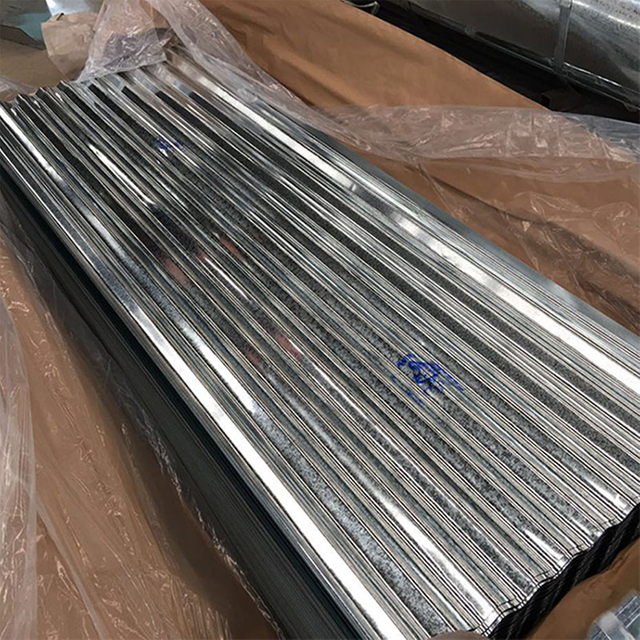
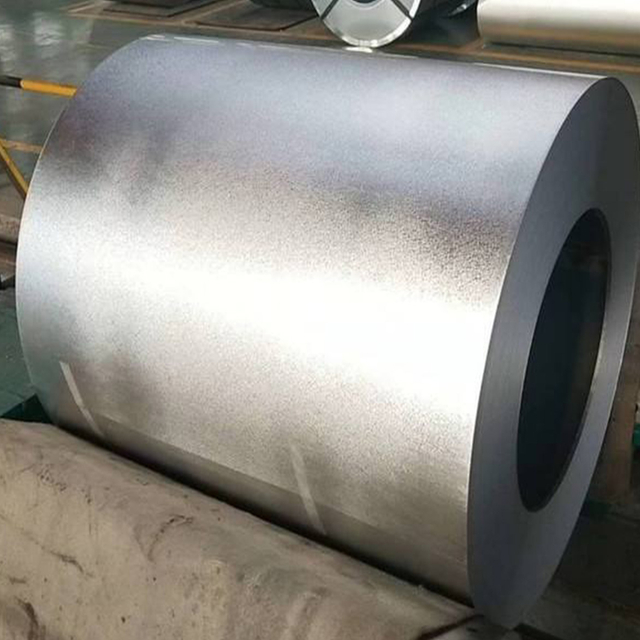
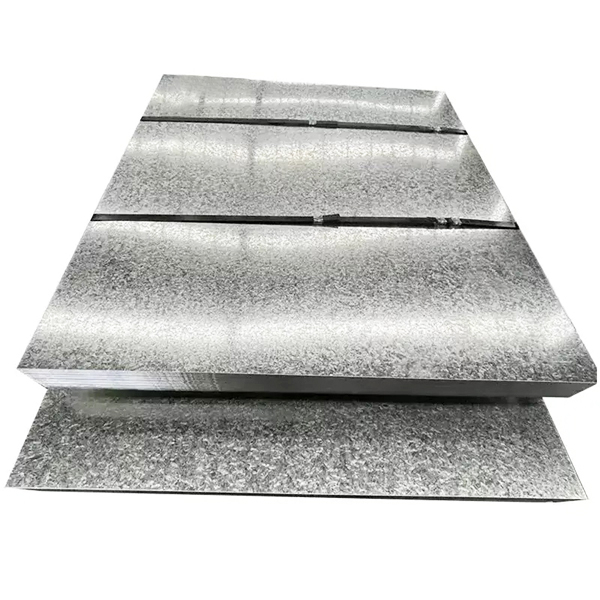
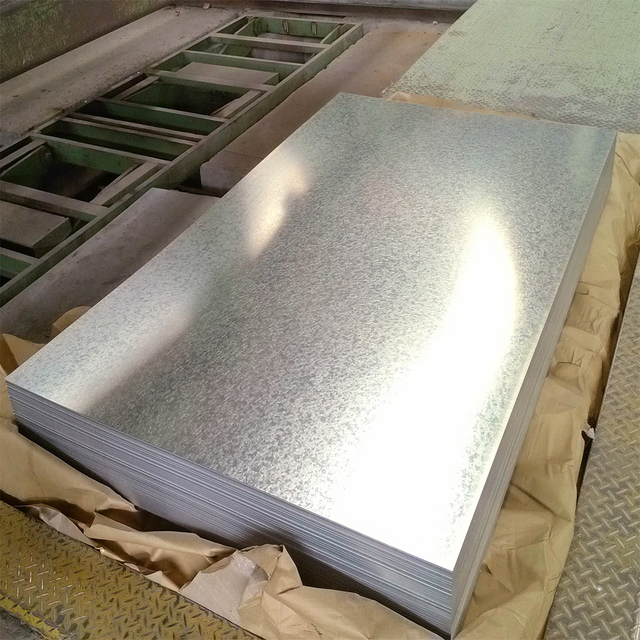
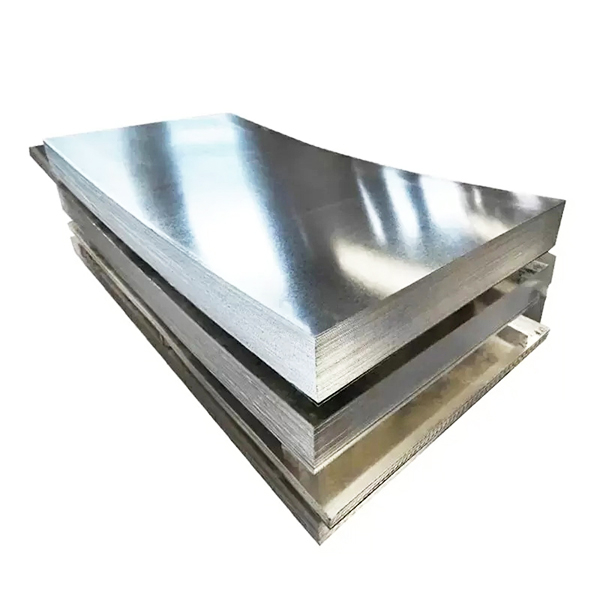
So, what does Galvanized Steel mean? It simply refers to carbon steel coated in zinc. This process forms a strong metallurgical bond. The resulting finish prevents dangerous oxidation and extends the metal's lifespan significantly.
We built this guide to help engineers and procurement teams make better material choices. You will learn how to evaluate various galvanizing methods. We will also explore how to assess performance limitations and verify material quality on the shop floor. Making informed decisions here prevents fabrication bottlenecks later.
Key Takeaways
The Sacrificial Anode Principle: The zinc coating protects the steel base by corroding first, effectively "sacrificing" itself even if the surface is scratched.
Process Determines Application: Hot-dip, galvannealing, and pre-galvanizing dictate the material's weldability, paint adherence, and lifespan.
Known Limitations: Galvanized steel has strict temperature thresholds (continuous exposure max 200°C/392°F) and presents specific hazards during welding.
Cost vs. Performance: It offers an exceptionally low lifecycle cost compared to stainless steel, averaging 50+ years of maintenance-free life in standard environments.
The Science of Galvanization: More Than a Surface Coating
Many people mistake galvanization for a simple painting process. This is incorrect. Painting just lays down a superficial topcoat. Galvanization triggers a complex chemical reaction. It creates an interlocking gradient of zinc-iron alloys. These metallic layers fuse the zinc directly into the steel substrate.
When you dip raw steel into molten zinc, the metals react. They form distinct structural layers. The inner layers contain more iron. The outer layers consist of pure zinc. This gradient ensures the coating will not easily flake off under mechanical stress.
Dual-Barrier Protection Mechanism
Galvanized metal relies on a two-part defense system. It shields the vulnerable carbon steel core through both physical and chemical means.
Physical Barrier: The dense outer zinc layer blocks moisture. It stops atmospheric oxygen from reaching the base metal. Rust requires both oxygen and water to form. The zinc barrier interrupts this fundamental equation.
Cathodic Protection (Sacrificial Anode): Zinc acts as a galvanically active metal. It sits higher than iron on the galvanic series. It prioritizes its own oxidation. If a scratch exposes the bare steel, the surrounding zinc activates. It forms a tough zinc carbonate patina. This patina halts further rust completely. It effectively sacrifices itself to save the steel.
Processing Methods & Specifying the Right Material
Procurement teams must specify the exact galvanizing method needed. Selecting the wrong coating method leads to fabrication bottlenecks. It can also cause premature structural failure. You must match the manufacturing process to your final application.
Hot-Dip Galvanizing (HDG)
Manufacturers lower fabricated steel into a pool of molten zinc. The bath reaches approximately 860°F (460°C). This extreme heat ensures rapid metallurgical bonding.
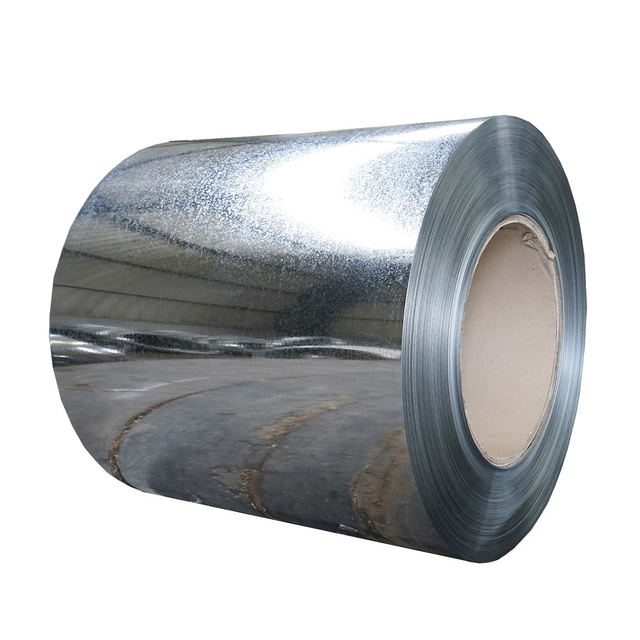
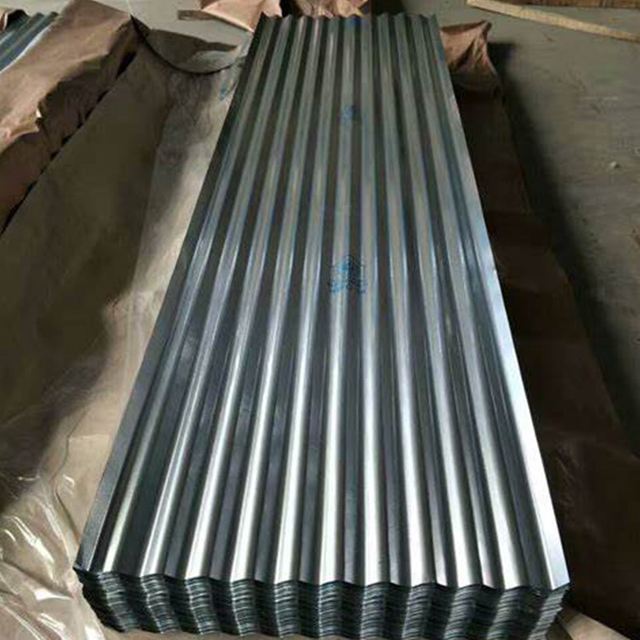
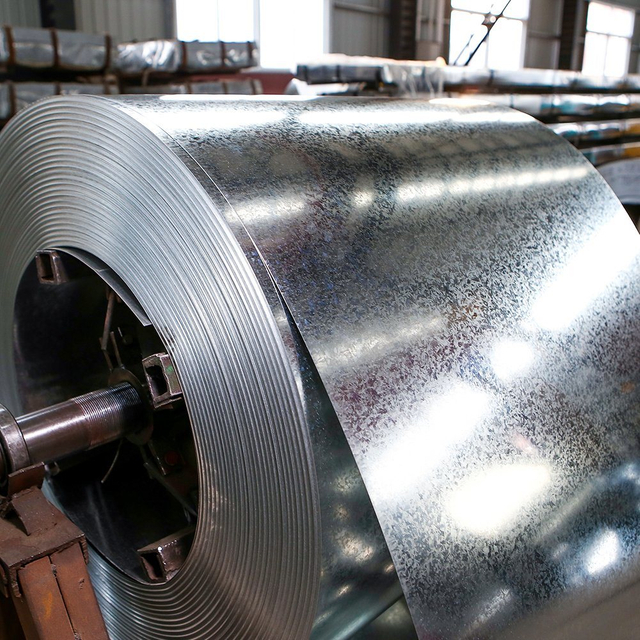
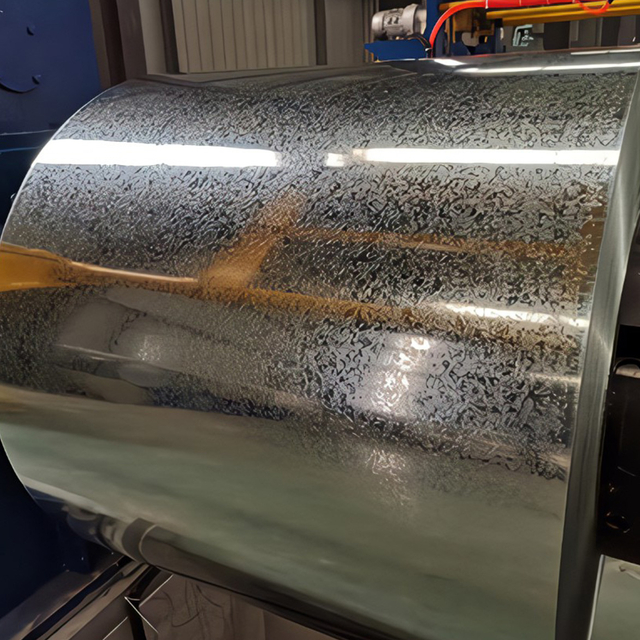
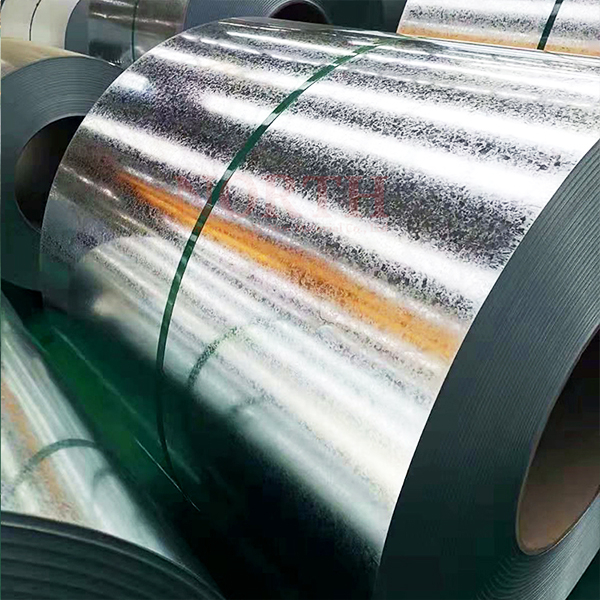
The HDG process yields a thick, rugged coating. Thickness typically ranges from 1.4 to 3.9 mils. This complies with standard ASTM A123 guidelines. HDG often features a distinct crystalline pattern on the surface. Industry professionals call this visual texture "spangle."
We recommend HDG for outdoor structural steel. It works perfectly for heavy hardware and zero-maintenance environments. Streetlights, guardrails, and heavy construction beams rely heavily on HDG.
Galvannealing (Zinc-Iron Alloy)
Galvannealing adds a critical thermal step to standard dipping. Manufacturers hot-dip the steel first. They then instantly anneal it in a specialized furnace. This intense reheating forces iron from the steel to mix with the zinc coating.
The result is a highly specific 90% zinc and 10% iron alloy. Galvannealed surfaces look entirely different from HDG. They feature a matte gray, slightly rough finish. You will not see any crystalline spangle here.
This method excels in applications requiring post-fabrication painting. The rougher texture grabs liquid paint easily. It also supports heavy welding without severe coating degradation.
Pre-Galvanizing & Electrogalvanizing
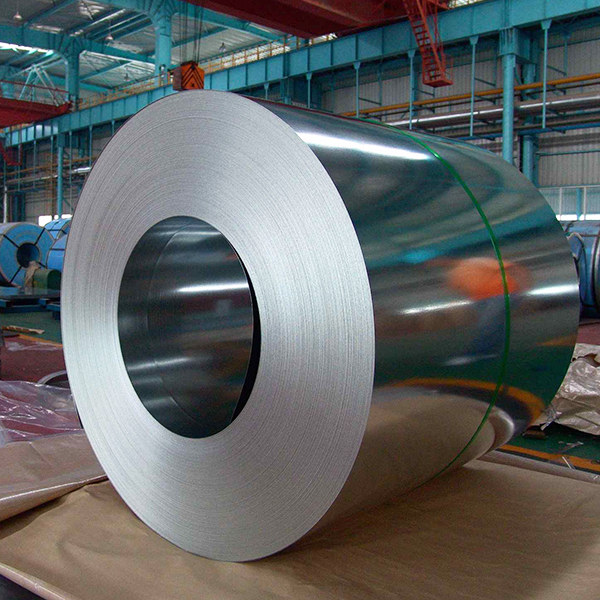
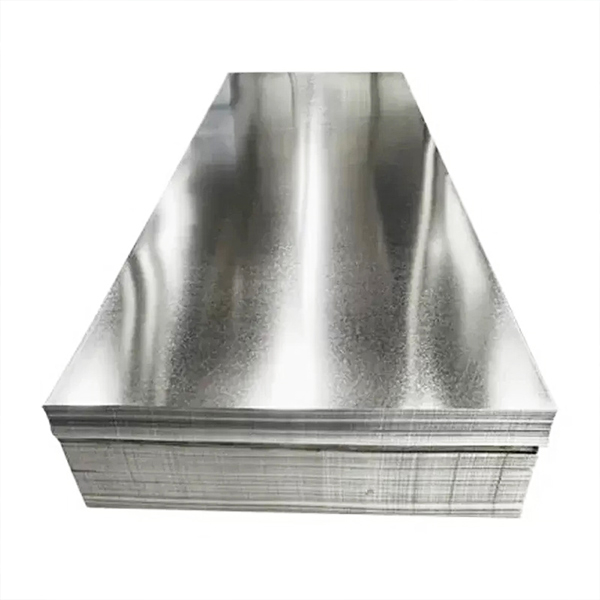
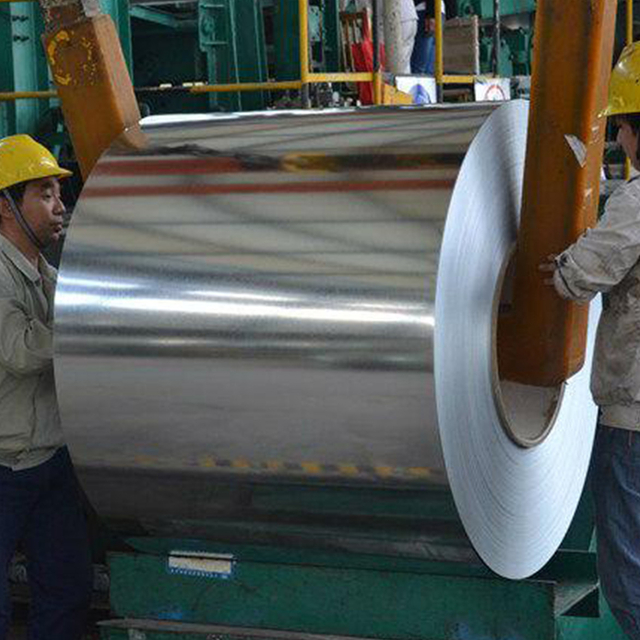
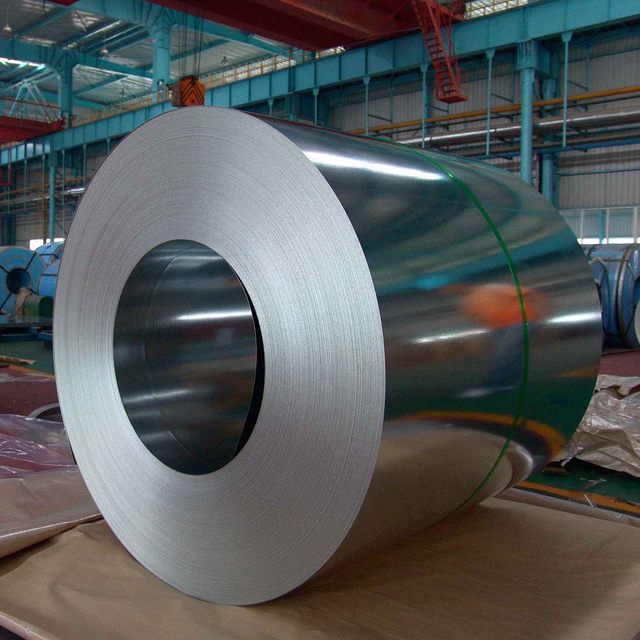
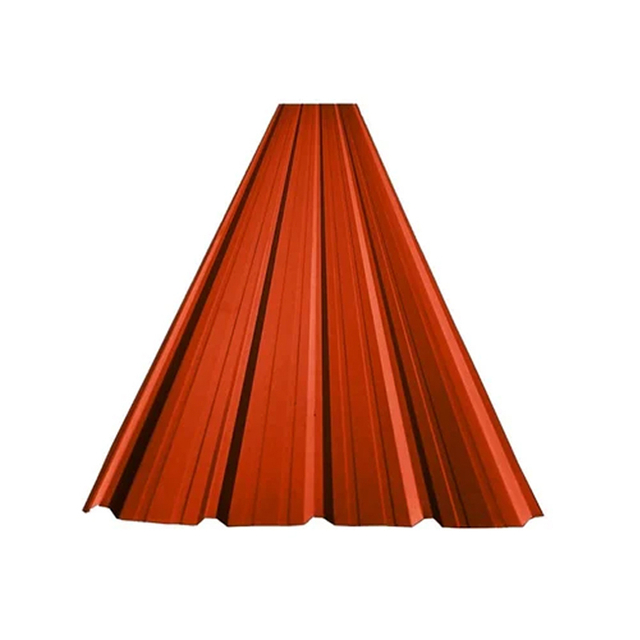
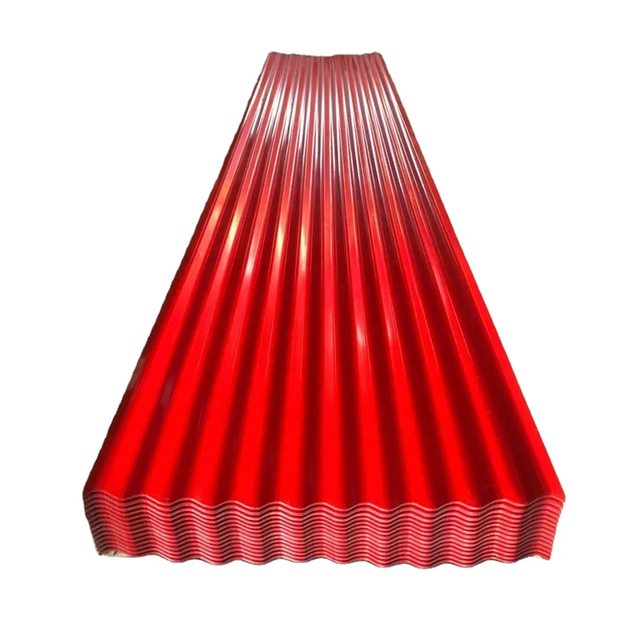
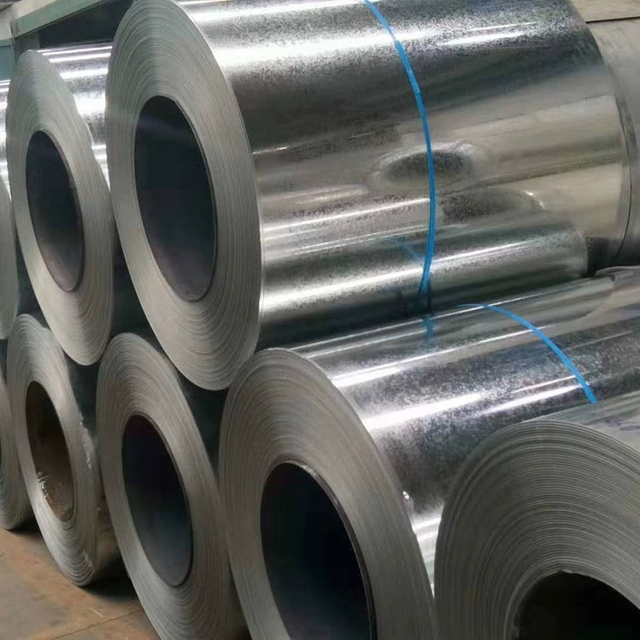
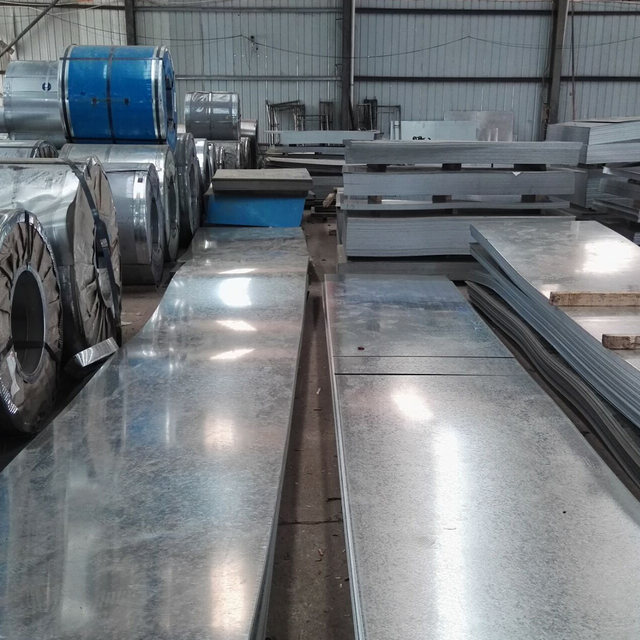
Mass production requires faster methods. Pre-galvanizing involves continuous, high-speed dipping. Steel mills run massive unrolled sheets through the zinc bath at rapid speeds. They use this technique to produce galvanized steel coil and galvanized steel sheet for immediate distribution.
Electrogalvanizing completely skips the molten zinc pool. It uses electrical currents and electrolyte solutions instead. The current forces zinc ions to deposit onto the steel surface. This creates highly precise, thin metallic deposits.
Automakers rely heavily on these faster methods. They use them for high-volume automotive body panels. Industry insiders call these frames "body-in-white." Formed architectural panels also use these methods where aesthetics and tight formability remain paramount.
Coating Methods Comparison Chart
Method | Process Type | Visual Appearance | Ideal Application |
Hot-Dip (HDG) | Molten Bath (860°F) | Shiny, Crystalline Spangle | Outdoor structures, thick hardware |
Galvannealing | Dipped + Instant Annealing | Matte Gray, Rough | Painted surfaces, welded parts |
Pre-Galvanizing | Continuous High-Speed Dip | Uniform, Slight Spangle | Ductwork, fencing, basic coil stock |
Electrogalvanizing | Electrical Ion Deposition | Smooth, Highly Uniform | Automotive panels, fine aesthetics |
Implementation Risks & Performance Boundaries
You cannot use galvanized metal for every project. It carries very specific physical limits. Pushing the material past these boundaries invites catastrophic failure.
Heat Limitations
Industry standards strictly document a maximum temperature threshold. You must keep continuous environmental exposure below 200°C (392°F). Exceeding this limit breaks down the chemical bonds.
High heat causes the inter-metallic layer to peel. The pure zinc topcoat will physically separate from the alloy layers beneath it. Once peeling begins, the bare steel faces immediate oxidation risk.
Welding Hazards & Fabrication Costs
You must exercise extreme caution when welding these materials. The process carries a severe toxicity risk. Zinc vaporizes at a much lower temperature than steel melts. Steel melts around 2,700°F. Zinc vaporizes around 1,650°F.
When the welding arc hits the metal, the zinc instantly boils off. This releases highly toxic zinc oxide fumes into the air. Inhaling these fumes causes a severe medical condition known as "metal fume fever."
Shop floors must mandate local exhaust ventilation. Welders need specialized respiratory prep. You often must grind away the zinc coating around the weld joint before beginning work. These extra steps increase fabrication costs.
Environmental Vulnerabilities
The sacrificial layer works well in normal air. It depletes rapidly in hostile conditions. High-salinity marine environments destroy zinc quickly. Coastal air forces the galvanic reaction to run constantly.
Acidic conditions also eat through the barrier. Acid rain dissolves the protective zinc carbonate patina. Constant submersion in water limits oxygen exposure. Without oxygen, the zinc cannot form its self-healing carbonate layer. It will eventually degrade completely under water.
Decision Framework: Galvanized vs. Stainless Steel
Engineers often debate between these two corrosion-resistant metals. They function differently. They scale differently. You must base your decision on environment, budget, and strength requirements.
Cost to Scale
Galvanized steel offers massive upfront cost savings. You can buy it in bulk easily. This makes it the default choice for massive infrastructure projects. Bridges, highway rails, and large commercial frames rely on it.
Stainless steel scales poorly for bulk structural needs. It contains expensive alloying elements like chromium and nickel. Outfitting an entire building frame in stainless would bankrupt most project budgets.
Strength & Durability
Some buyers assume the dipping process hardens the metal. It does not. The galvanizing process does not alter the base steel's actual tensile strength. Standard carbon steel usually sits around 400 MPa.
Stainless steel possesses fundamentally different metallurgy. Depending on the grade, stainless can exceed 515 MPa. High-end stainless variants reach up to 1300 MPa. If you require extreme structural strength alongside rust resistance, stainless wins.
Compliance & Use Cases
Certain industries carry strict regulatory codes. You must align your material choice with these rules.
Food & Medical: Rule out galvanized metal for high-acid food processing. Tomato juice or citrus acids will quickly dissolve the zinc. Do not use it for sterile medical environments. Zinc surfaces degrade over time and harbor dangerous bacteria. We highly recommend stainless steel here.
Outdoor & Utilities: Recommend galvanized metal for massive solar structures. It works flawlessly for wind turbine towers. Utility piping benefits greatly from its superior cost-to-lifespan ratios. You get decades of reliable service.
Automotive Manufacturing: Rely on electrogalvanized variants. They hold paint well. They protect car frames from winter road salts perfectly.
Material Verification: QA & Inspection Protocols
Procurement does not end with a purchase order. You must verify incoming shipments. Subpar coating jobs lead to field failures. Implement strict quality assurance protocols at your receiving dock.
Visual Inspection Checklist
Train your intake inspectors to trust their eyes first. Instruct buyers to look for consistent patterns. If you ordered HDG, check for uniform spangle. The crystalline shapes should spread evenly across the surface.
If you ordered Galvanneal, inspect for a uniform matte finish. You should see an even gray tone. Reject shipments showing bare metal spots. Watch out for severe peeling or blistering along the edges. Blisters indicate moisture contamination during the dipping process.
Non-Destructive Testing (NDT)
Visual checks cannot measure microscopic thickness. You need concrete data. We recommend equipping your team with ultrasonic thickness gauges.
These handheld devices send sound waves through the metal. They calculate the exact depth of the zinc layer. Use these readings to verify supplier compliance. Check their numbers against required ASTM standards. Document every reading for your quality management system.
Chemical/Weight Verification
Sometimes you need faster verification on the floor. Mention rapid field tests to your QA team. You can perform a controlled acid drop test. Drop a highly diluted acid onto the surface. If it aggressively bubbles, it confirms a healthy zinc reaction.
You can also assess weight variance. Galvanized items are predictably heavier than raw steel equivalents. The zinc adds measurable mass. Weigh a sample batch. Compare it against raw carbon steel baseline weights. Significant weight shortages indicate a dangerously thin coating.
Conclusion
Material procurement requires precise language. "Galvanized steel" remains a broad category. Procurement must specify the exact process needed. You should explicitly call out HDG, galvannealed, or electrogalvanized specifications on every order. Base this decision entirely on your expected fabrication needs, like welding or painting, and the final environmental exposure.
To ensure project success, ask your suppliers for hard data. Request official coating thickness specs before finalizing contracts. Demand ASTM compliance certificates for every batch. Always review environmental compatibility data to confirm the metal will survive your specific job site conditions.
FAQ
Q: Does galvanized steel eventually rust?
A: Yes. The zinc acts as a sacrificial layer. It prioritizes its own corrosion to protect the inner steel base. Once the zinc is fully oxidized and depleted by environmental exposure, the underlying steel will rust.
Q: Is galvanized steel stronger than regular steel?
A: No. The galvanization process adds corrosion resistance, not structural or tensile strength. It simply protects the base carbon steel. The underlying steel dictates the metal's actual load-bearing strength.
Q: Can you paint directly over galvanized steel?
A: Standard hot-dip galvanized steel resists paint due to its smooth surface and requires specialized primers. Galvannealed steel, however, is specifically engineered to be paint-ready directly from the factory.