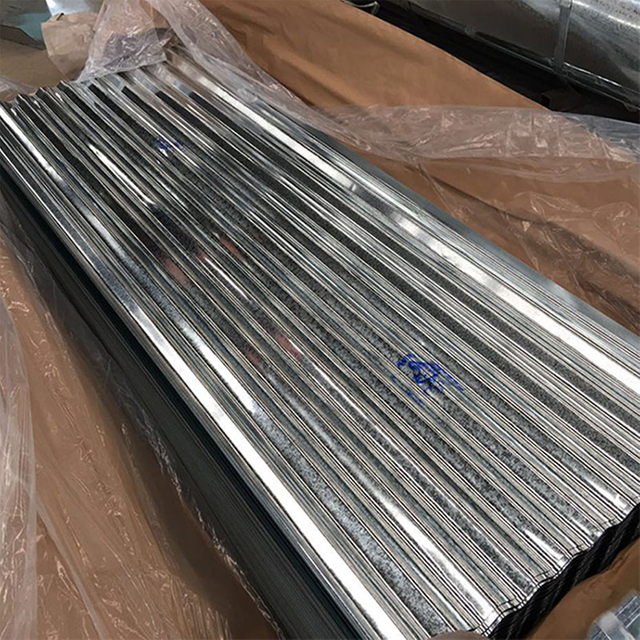
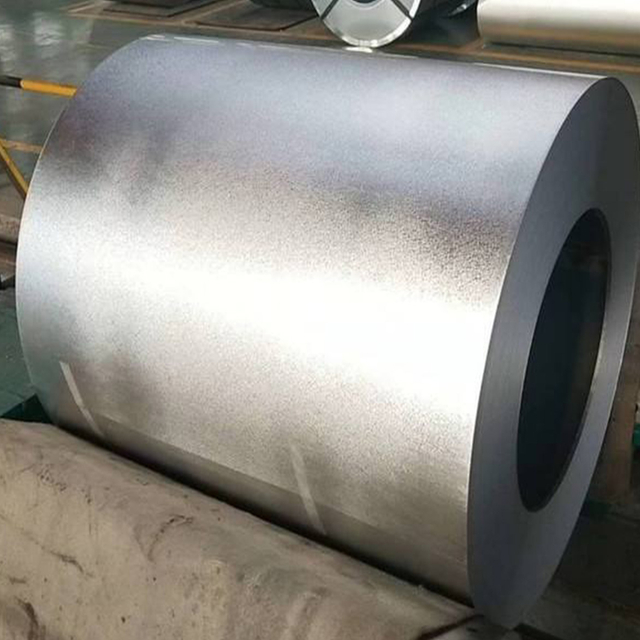
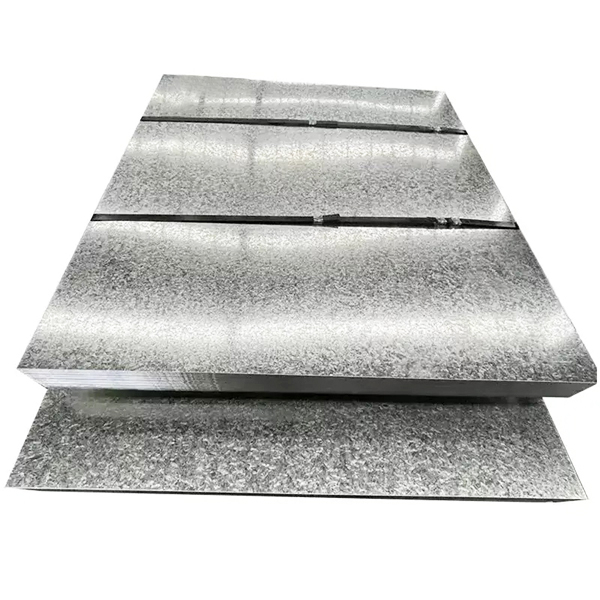
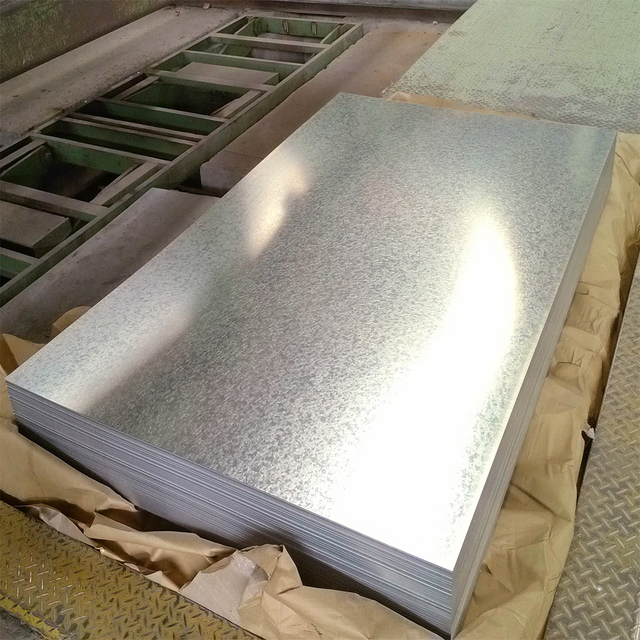
Understanding how Galvanized Steel is manufactured is critical for engineers, procurement teams, and project managers. You must evaluate material lifespan, structural integrity, and vendor capabilities to make informed decisions.
Not all galvanizing processes yield identical results. The specific manufacturing method dictates coating thickness, formability, and long-term project viability. Relying on the wrong process can lead to premature corrosion or catastrophic structural failures.
This guide breaks down the precise chemical and industrial processes behind galvanizing. We map various production methods directly to their best industrial applications. You will also gain an evidence-based framework for evaluating steel suppliers. By the end of this article, you will understand exactly how to select the right material for your next major project.
Key Takeaways
**Cathodic Protection:** Zinc acts as a sacrificial anode (standard electrode potential of -980 mV vs. steel's -400 mV), protecting the base metal even if the coating is scratched within a 5mm radius.
**Process Standardization:** The standard hot-dip process requires strict temperature controls, notably a 450°C (842°F) molten zinc bath.
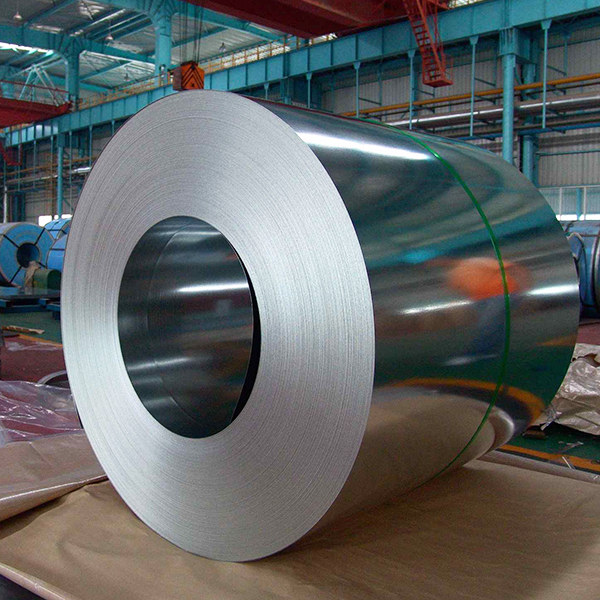
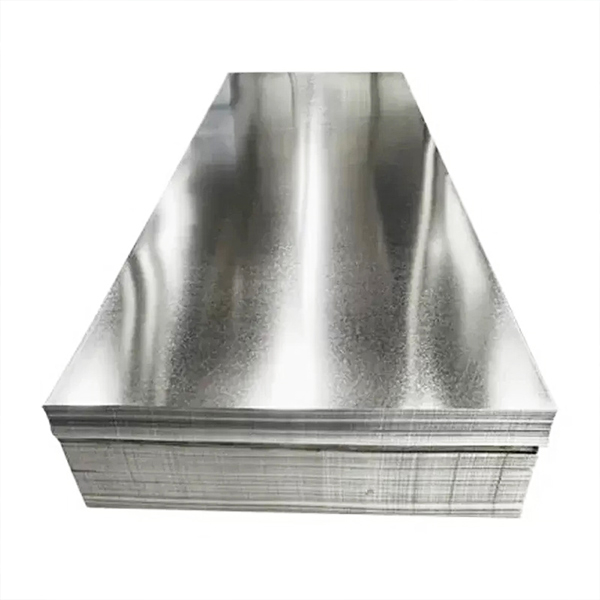
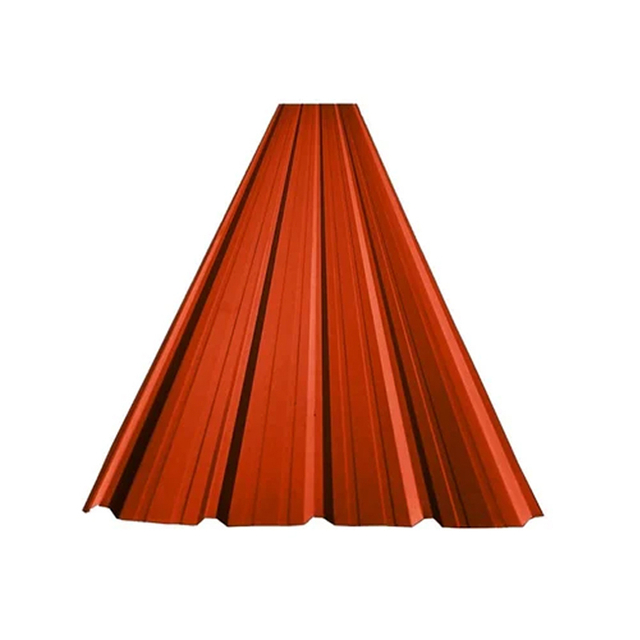
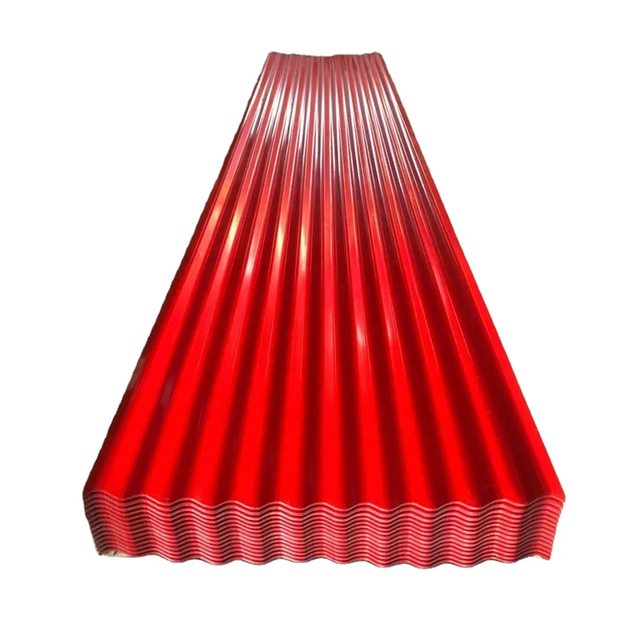
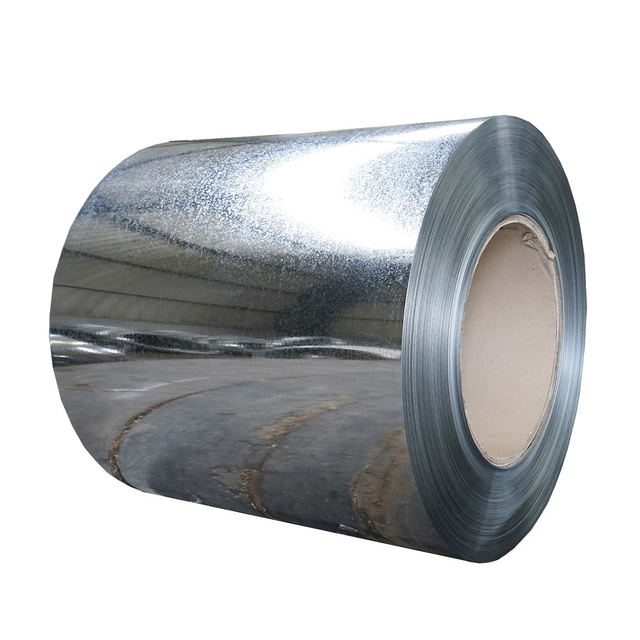
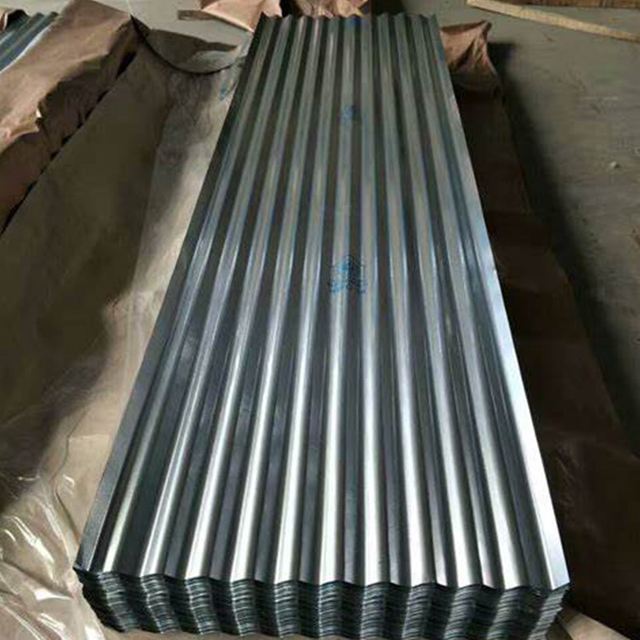
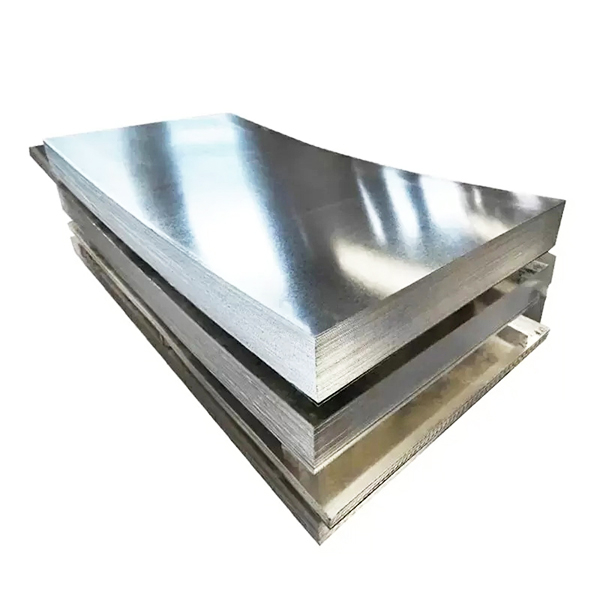
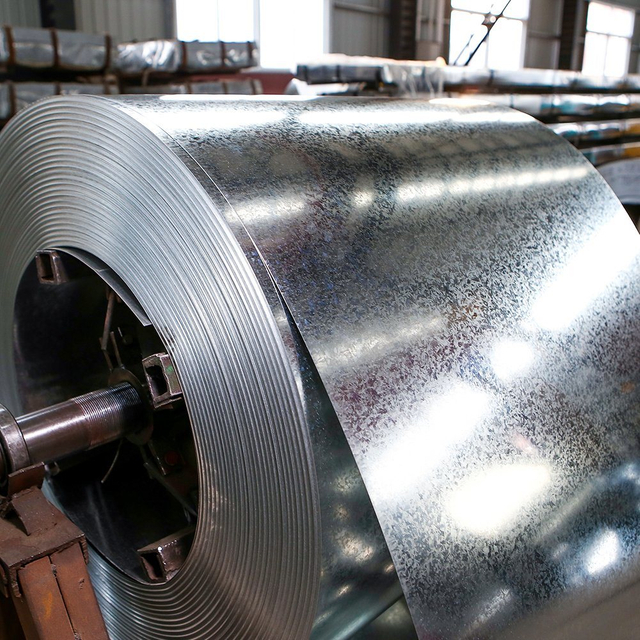
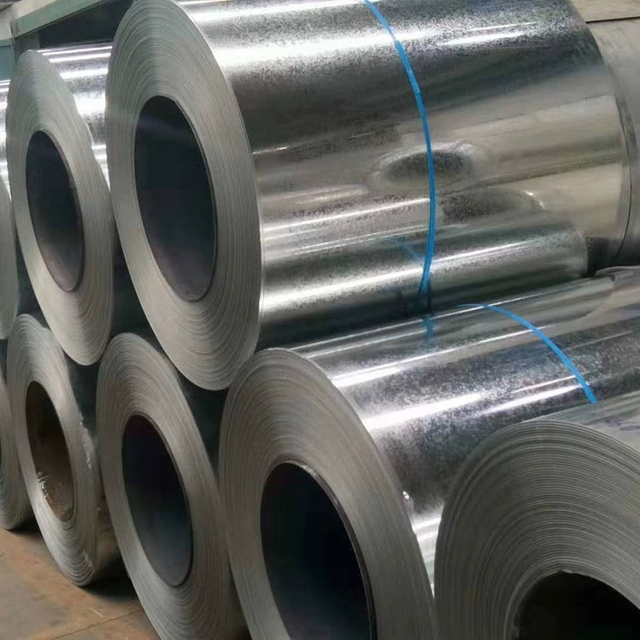
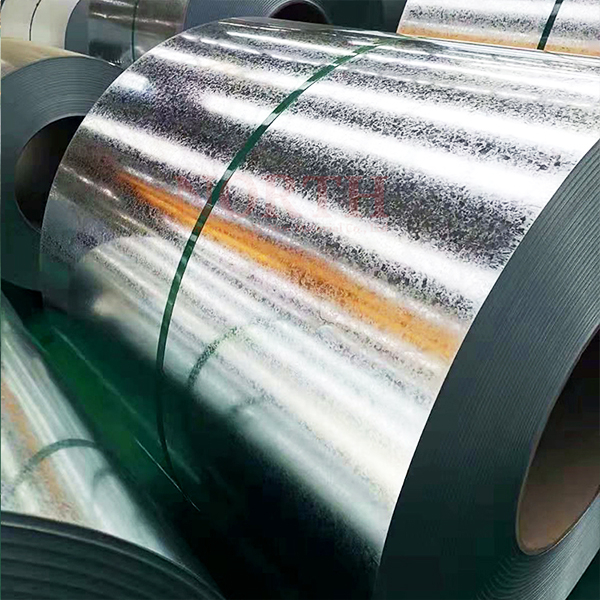
**Volume Production:** Commercial **galvanized steel coil** and **galvanized steel sheet** rely on continuous galvanizing lines using advanced techniques like the Sendzimir method and air knives for precise coating control.
**Application Specificity:** Selection must match the method (Hot-Dipped, Electro-galvanized, Galvanealed) to the outcome (e.g., maximum corrosion resistance vs. paintability).
**Known Limitations:** Galvanized steel requires specific storage to prevent "white rust" and is unsuitable for highly acidic environments or direct contact with dissimilar metals like copper.
The Core Science: How Zinc Protects Steel
To fully grasp the manufacturing process, we must first understand the protective mechanisms at play. Zinc does not simply cover iron. It chemically bonds to the base metal, offering a dual-layer defense system.
The Physical Barrier
Zinc creates a highly bonded metallurgical layer over the substrate. This robust shield completely seals out moisture, oxygen, and corrosive chlorides. Unlike standard paint, the zinc alloy layers grow organically from the steel itself. This tight bond prevents blistering and flaking. The outer layer consists of pure zinc, while inner layers form complex, ultra-hard zinc-iron alloys. These inner layers often resist abrasion better than the base steel.
Electrochemical Micro-Battery (Sacrificial Anode)
The true genius of the process lies in cathodic protection. Zinc is significantly more electronegative than iron. On the galvanic scale, zinc carries a standard electrode potential of -980 mV, while steel sits at roughly -400 mV.
Because zinc is more active, it willingly sacrifices its own electrons to protect the steel beneath. If mechanical damage exposes the bare metal, a microscopic battery forms. The surrounding zinc acts as the anode, and the exposed steel becomes the cathode. The zinc preferentially oxidizes into zinc carbonate. This resulting compound forms a protective plug over the scratch. In practical applications, this sacrificial mechanism actively protects exposed steel up to a 5mm ring diameter.
Lifespan Economics
When manufacturers apply it correctly, this dual-protection mechanism drastically extends material longevity. High-quality zinc coatings easily yield a 50+ year lifespan in standard atmospheric environments. This incredible durability eliminates routine maintenance costs. Facility managers no longer need to schedule costly secondary field-painting. The material simply performs year after year.
The 4-Step Standard Hot-Dip Galvanizing Process
Top-tier manufacturing facilities follow a strict standard operating procedure (SOP). This rigorous protocol ensures perfect metallurgical bonding. Below is the standard 4-step sequence used across the industry.
Phase 1: Surface Cleaning (Degreasing & Pickling)
A flawless coating demands a flawless surface. Facilities first immerse the metal in heated alkaline solutions. This strips away dirt, oil, and organic contaminants. Next, they dip the material into a pickling tank containing ambient-temperature hydrochloric acid (or heated sulfuric acid). This acidic bath strips away mill scale and iron oxides.
Best Practice: Insufficient degreasing remains the leading cause of "bare spots" during final inspection.
Phase 2: Fluxing
After rinsing, the steel undergoes fluxing. Workers submerge the parts in a zinc ammonium chloride solution heated to 65–80°C. The flux removes any final microscopic oxides. More importantly, it alters the surface tension of the metal. This chemical alteration allows molten zinc to properly "wet" the steel upon entry.
Phase 3: The Galvanizing Bath
The steel then enters the main kettle. This bath contains molten zinc maintained precisely around 450°C (842°F). Typical immersion lasts 4–5 minutes, though heavy structural parts require more time. During this thermal event, iron reacts violently with the molten zinc. This reaction forms the tightly bonded zinc-iron alloy layers.
Common Mistake: Withdrawing the steel too quickly prevents adequate alloy formation, leading to thin, brittle coatings.
Phase 4: Post-Treatment & Quenching
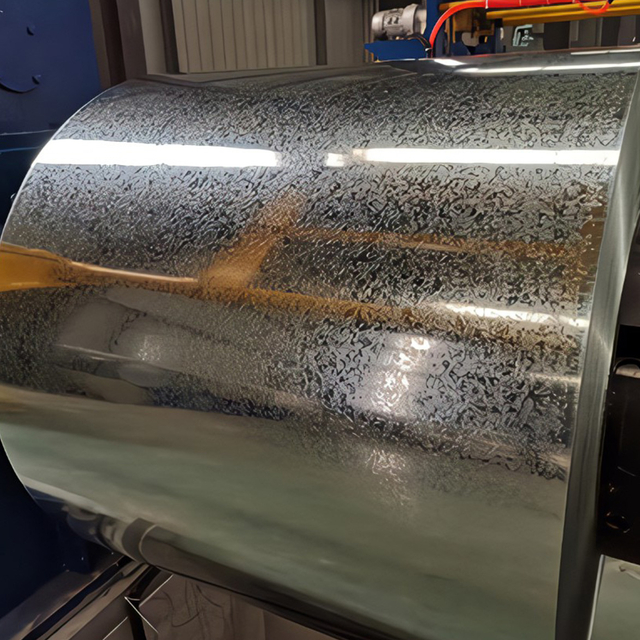
Upon withdrawal, the facility immediately cools the metal. They typically use water quenching or controlled air cooling. Rapid cooling halts the metallurgical reaction. It also promotes the formation of the characteristic crystalline surface pattern. The industry refers to this visually distinct pattern as "spangle."
Manufacturing Galvanized Steel Coil and Sheet (Continuous Processing)
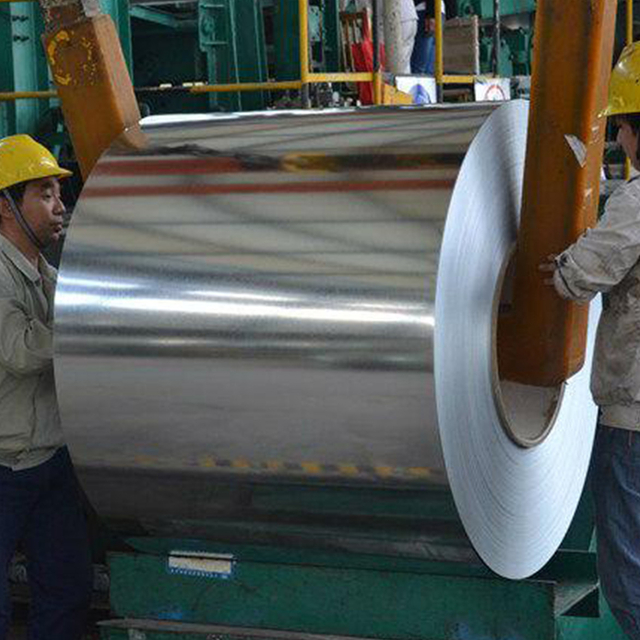
While batch galvanizing works well for structural beams, OEMs and fabricators require high-volume production. Continuous processing lines run 24/7 to produce massive quantities of galvanized steel coil. These automated lines utilize advanced metallurgy to ensure perfect consistency.
The Sendzimir Method (Oxidation-Reduction)
Modern continuous lines often employ the Sendzimir method. The raw steel strip rapidly unspools and runs through continuous annealing furnaces reaching temperatures up to 980°C.
During this thermal journey, operators intentionally oxidize the strip. They then immediately reduce it back to pure iron within a controlled reducing atmosphere. This extreme chemical reset burns off all rolling oils and carbon residue. It ensures flawless zinc adhesion the second the strip plunges into the molten zinc pot.
Coating Thickness Control
Precision defines continuous manufacturing. As the galvanized steel sheet exits the zinc pot vertically, it passes between precision tools.
Air Knife Method: Precisely calibrated nozzles sit millimeters away from the rushing steel. They blow highly compressed air or superheated steam directly at the strip. This invisible blade physically wipes off excess molten zinc, pushing it back into the pot.
Procurement Note: Air knife accuracy dictates everything. An uncalibrated air knife creates uneven coatings. This directly impacts overall cost-efficiency and performance for large coil orders. When evaluating suppliers, you should explicitly ask about their air knife control systems.
Alternative Manufacturing Methods vs. Hot-Dip
Hot-dip remains the industry standard for maximum durability. However, engineers utilize alternative manufacturing methods for specific use cases. You must match the method directly to your project requirements.
Manufacturing Method | How It Works | Primary Use Case | Key Advantage |
Electro-galvanizing | Direct current transfers zinc ions via an electrolyte solution (Cold Process). | Automotive body-in-white (BIW) exterior panels. | Highly precise, thin coating ideal for deep drawing and automotive painting. |
Galvanealing | Hot-dip process followed immediately by in-line thermal annealing. | HVAC panels, highly visible architectural facades. | Creates a matte-gray alloy exceptionally receptive to paint without primer. |
Pre-galvanizing | Rolled steel receives a continuous zinc coating before final cutting. | Unistrut channels, cable trays, conduit pipes. | Highly uniform and cost-effective for large batches. |
Hot-Dip Batch | Fabricated steel is completely submerged in molten zinc. | Heavy infrastructure, bridges, outdoor structural framing. | Maximum coating thickness and total coverage of edges/welds. |
Electro-galvanizing (Cold Process)
This method skips the heat entirely. Zinc ions transfer to the steel via a chemical electrolyte solution using a direct current. It yields a highly precise, thin coating. Automakers rely heavily on this method for body panels. The thin layer handles deep stamping perfectly. While it boasts inferior absolute corrosion resistance compared to hot-dip, it provides a flawless canvas for automotive paint systems.
Galvanealing (Thermal Alloying)
Galvanealing introduces an extra step to the continuous line. Immediately after the steel exits the zinc bath and passes the air knives, it enters an annealing furnace. The heat forces iron from the steel substrate to diffuse outward into the zinc coating. This creates a dull, matte-gray zinc-iron alloy. It is highly scratch-resistant. Welders prefer it because it produces less spatter, and painters love it because it eliminates the need for etching primers.
Pre-galvanizing (Mill Galvanizing)
Mills often galvanize rolled steel sheets before fabricators cut them to specific sizes. It guarantees excellent uniformity across the surface. However, it carries a known limitation. Cut edges remain completely un-coated. These bare edges rely entirely on the surrounding zinc's sacrificial anode effect for protection. It works well indoors but struggles in highly corrosive marine environments.
Engineering Limitations and Risk Mitigation
Every industrial material has constraints. Transparent assessment of these vulnerabilities prevents catastrophic project failures. You must actively engineer around these specific risks.
Environmental Vulnerabilities: Zinc degrades rapidly in highly acidic or highly alkaline environments. Always keep the exposure pH strictly within the 6–12 range. Harsh chemical plants often require supplemental protective coatings over the zinc.
Storage Risks (White Rust): This remains a massive industry headache. Exposure to standing moisture without proper airflow during storage causes rapid oxidation. The zinc turns into zinc hydroxide, a powdery white substance. This degrades the coating before installation even begins. Always store bundles indoors, elevated, and angled for drainage.
High-Temperature Failure: Avoid extreme heat applications. Continuous exposure above 200°C (392°F) structurally damages the material. The intermetallic alloy layers will eventually peel and separate from the steel substrate.
Galvanic Corrosion: Direct physical contact with copper accelerates electrochemical corrosion. Water runoff from copper roofs onto zinc panels will strip the coating away rapidly. Similarly, certain treated woods contain harsh copper-based preservatives. Always use barrier membranes between these incompatible materials.
Welding Hazards: High welding heat vaporizes the protective coating. This process releases highly toxic zinc oxide fumes. Facilities must mandate specialized ventilation protocols and proper respiratory gear for all operators.
Procurement Checklist: Evaluating Quality and Supplier Capabilities
Selecting a manufacturer requires due diligence at the bottom of the funnel. You cannot evaluate a supplier on per-ton pricing alone. Use this checklist to audit supplier facilities and guarantee material quality.
Standard Compliance
Never accept undocumented steel. You must verify strict adherence to international standards. Request updated mill test certificates. Look for ASTM A123 for fabricated structural profiles. For continuous sheet products, demand ASTM A653 compliance. European markets often require equivalent EN standards, while Asian markets utilize JIS specifications.
Coating Weight vs. Thickness
Ensure your supplier provides transparent data mapping to specific G-ratings. In North America, a G90 rating means the metal carries 0.90 ounces of zinc per square foot (total for both sides). A G60 carries less. Match the coating weight directly to your required environmental exposure. Coastal environments demand heavy coatings, while indoor HVAC ducting survives easily on lighter gauges.
Visual Inspection Criteria
High-quality output looks clean. You should reject shipments showing severe defects. Inspect the delivery carefully. Look out for dross inclusions, which feel like sharp, sandy pimples on the surface. Check for bare spots where the zinc failed to bond. Reject materials with severe flux staining, as this indicates poor cleaning protocols at the factory.
Evaluating Long-Term Value
Shift your procurement focus away from initial acquisition costs. Calculate the long-term financial benefits. Factor in the complete elimination of routine structural maintenance. Consider the massive financial savings from avoiding equipment downtime. This proves especially critical for remote wind, solar, and telecom assets. Finally, account for the lack of secondary field-painting requirements upon installation.
Conclusion
The manufacturing process determines the ultimate metallurgical properties of your material. A continuous hot-dip line producing massive coils serves entirely different engineering needs than an electroplating line crafting automotive panels. Zinc's unique sacrificial anode properties provide unparalleled defense against harsh elements.
Your engineering and procurement teams should routinely audit supplier facility capabilities. Check their annealing furnace technology and verify their air knife precision. Always match the specific galvanizing method exactly to the environmental and structural demands of your site.
Do not leave material performance to chance. Request a material sample, ask for a detailed quote, or schedule a technical consultation with your supplier today to ensure your next project stands the test of time.
FAQ
Q: How long does the hot-dip galvanizing process take?
A: While the actual molten zinc immersion takes only 4–5 minutes, the complete cycle takes much longer. Proper surface cleaning, acid preparation, fluxing, coating, and cooling require time. Commercial galvanizers typically require a standard 3-day turnaround to complete the entire process properly.
Q: What is the difference between galvanized steel coil and sheet?
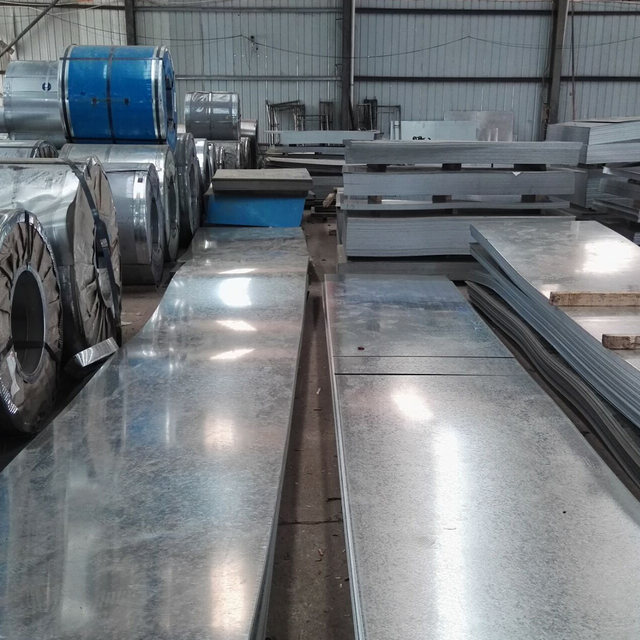
A: Coils are massive, continuous rolls of treated steel. Manufacturers ship them to fabricators ready for high-volume continuous roll-forming or deep stamping. Sheets are simply coils that facilities have unrolled, flattened through levelers, and cut to specific lengths for immediate, localized fabrication.
Q: Why does galvanized steel sometimes look shiny and sometimes dull?
A: The visual appearance, known as spangle, depends entirely on the cooling rate and specific zinc bath chemistry. Manufacturers intentionally create dull, matte-gray coatings through the galvanealing process. This dull finish provides significantly better adhesion for secondary paint applications.
Q: Can you weld galvanized steel?
A: Yes, but it requires careful preparation. You must mechanically grind away the zinc coating at the direct weld joint to ensure absolute weld integrity. Additionally, welding vaporizes zinc, releasing toxic fumes. Shops must employ heavy fume extraction systems to protect operators.