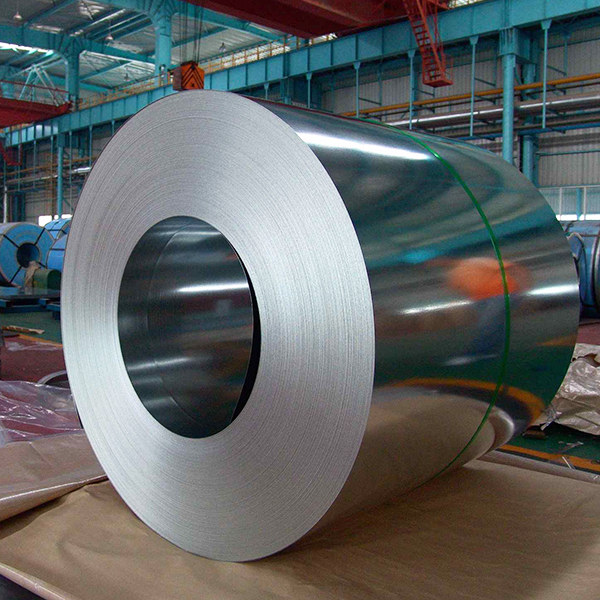
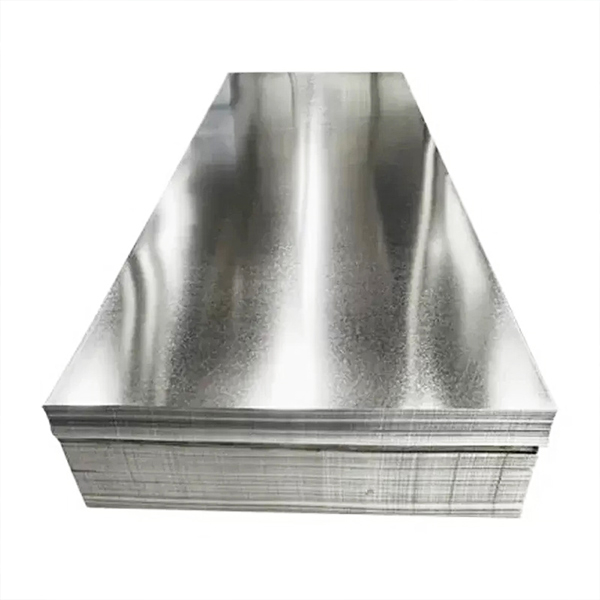
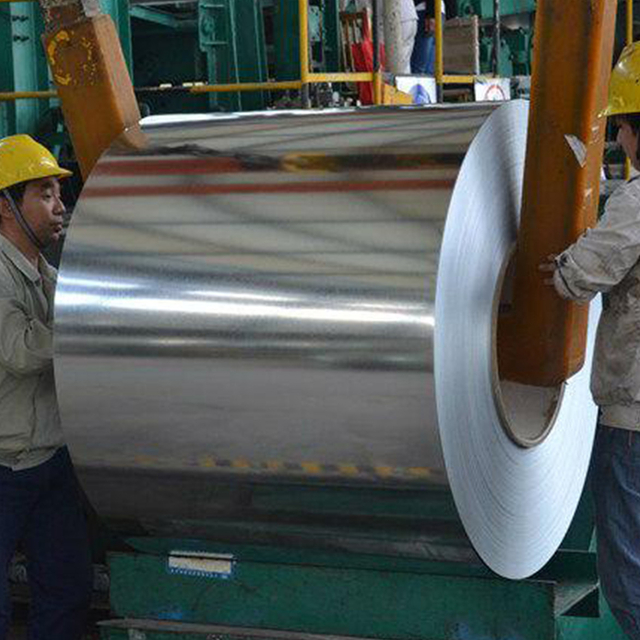
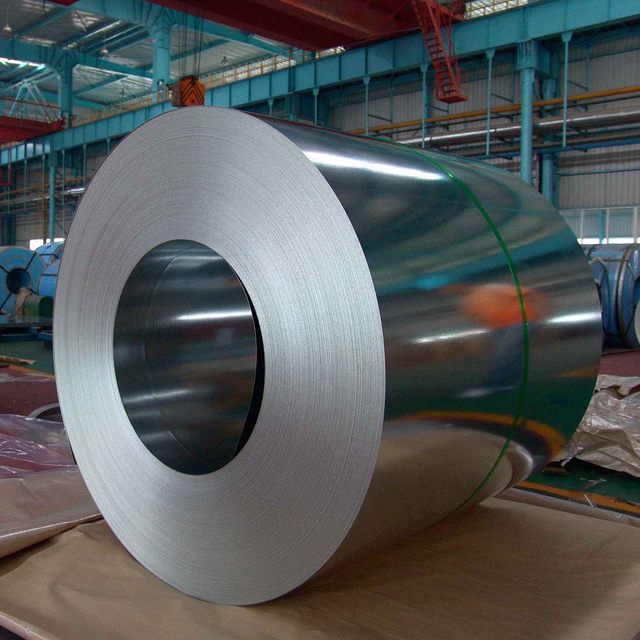
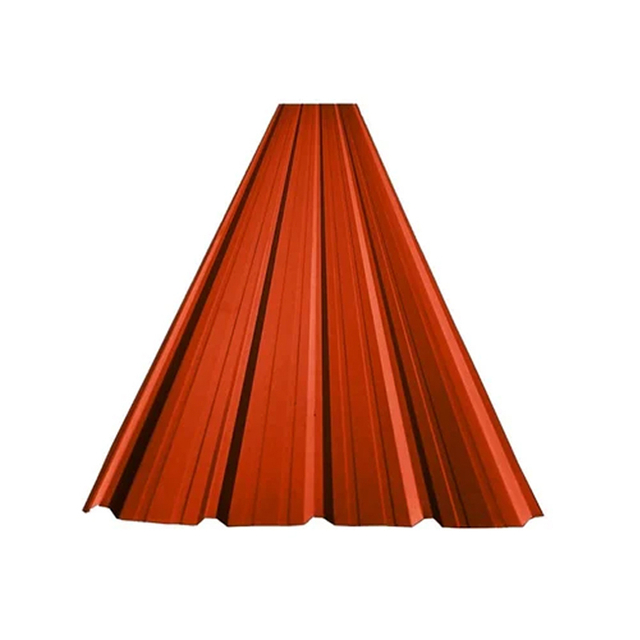
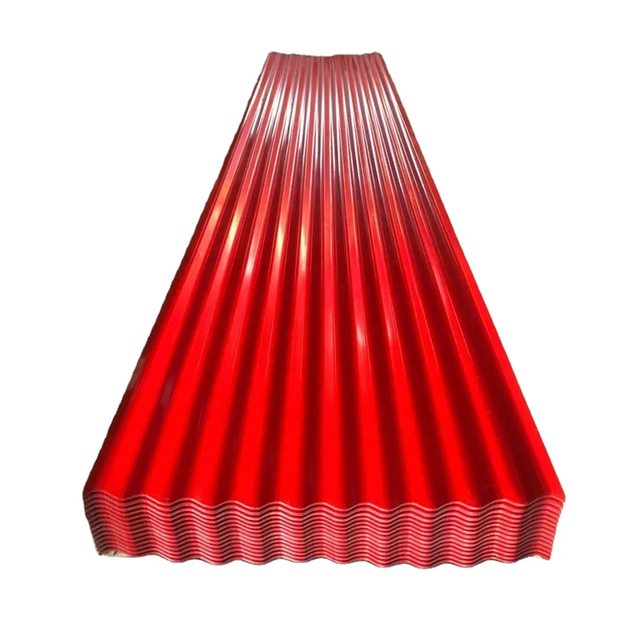
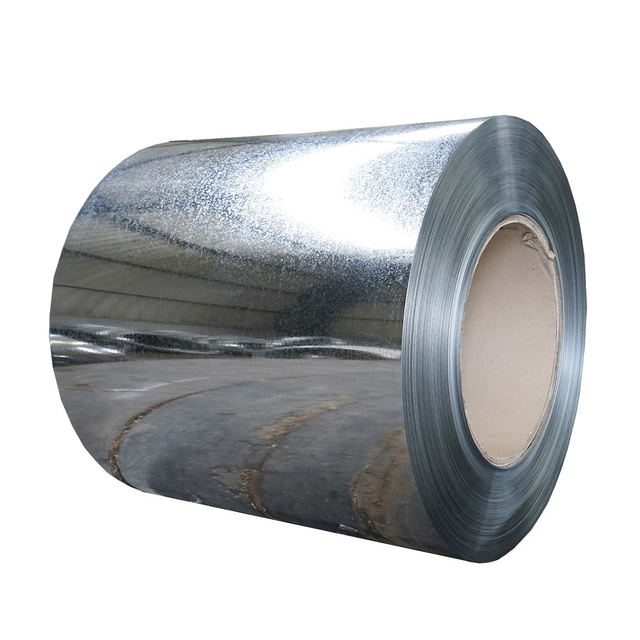
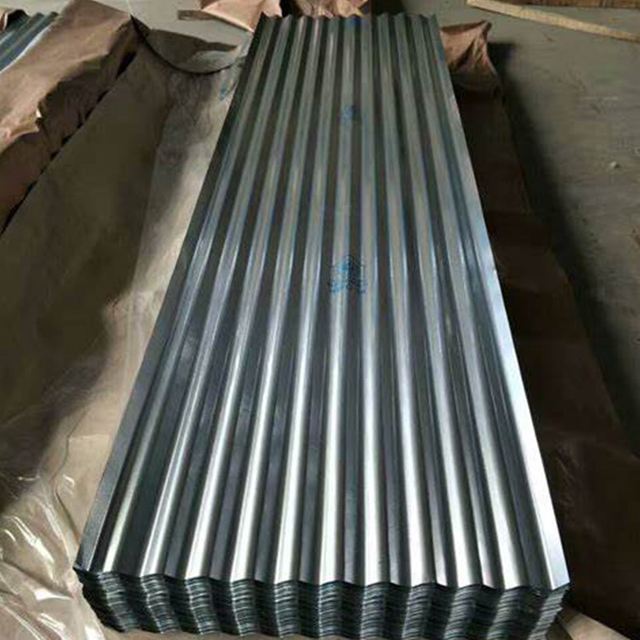
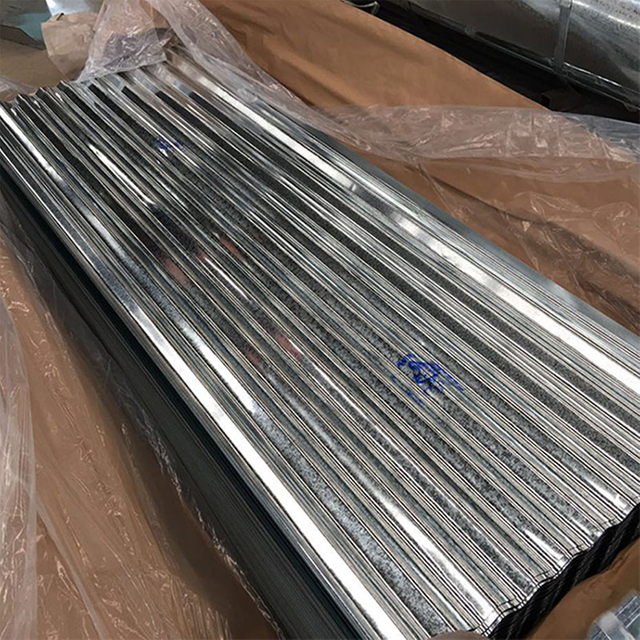
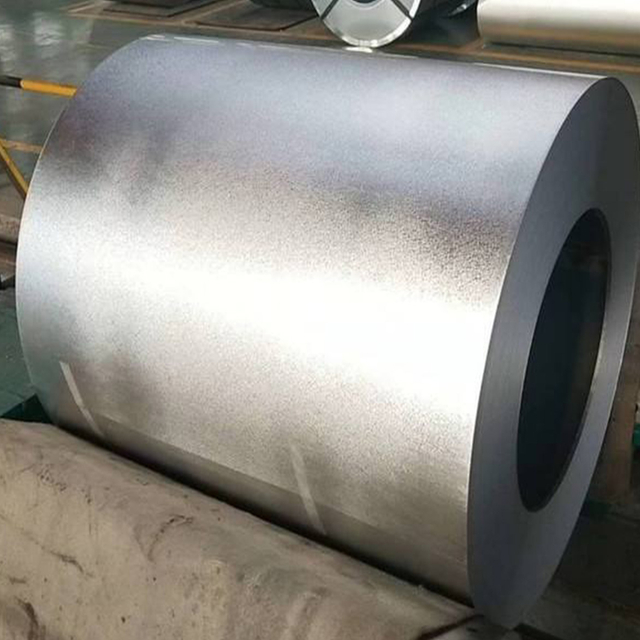
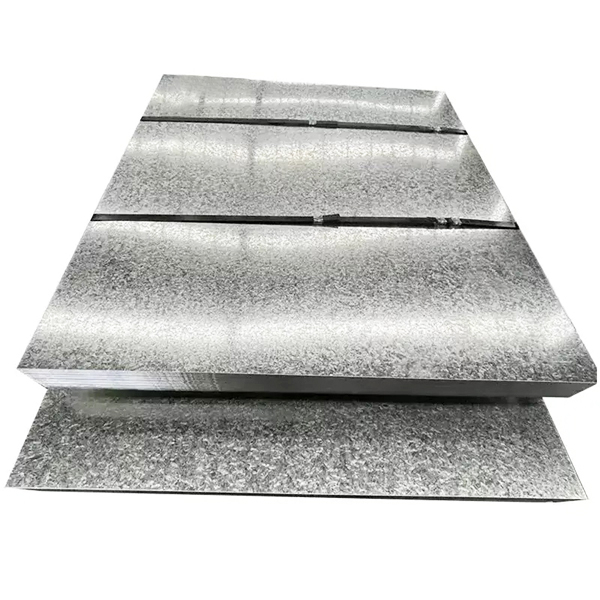
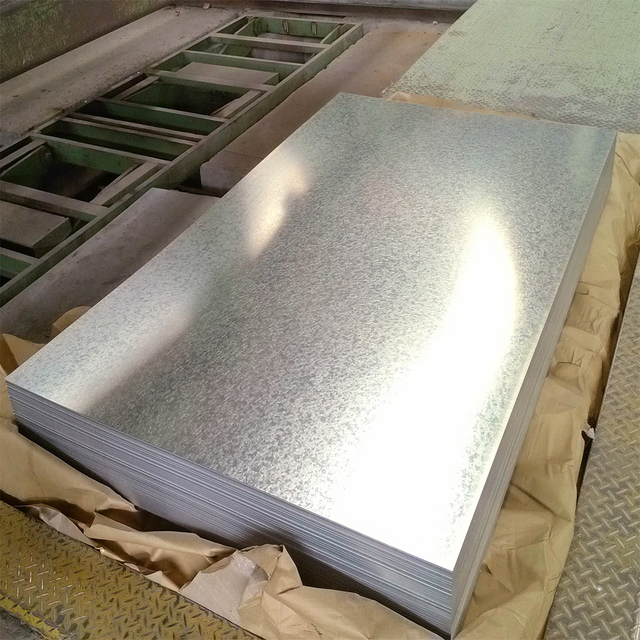
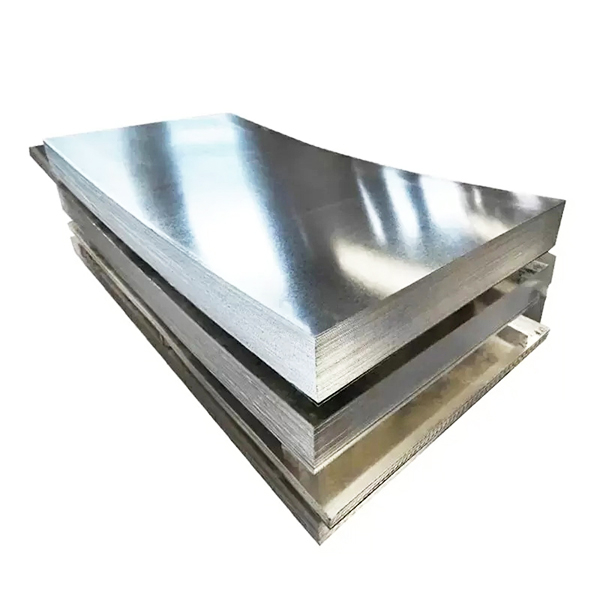
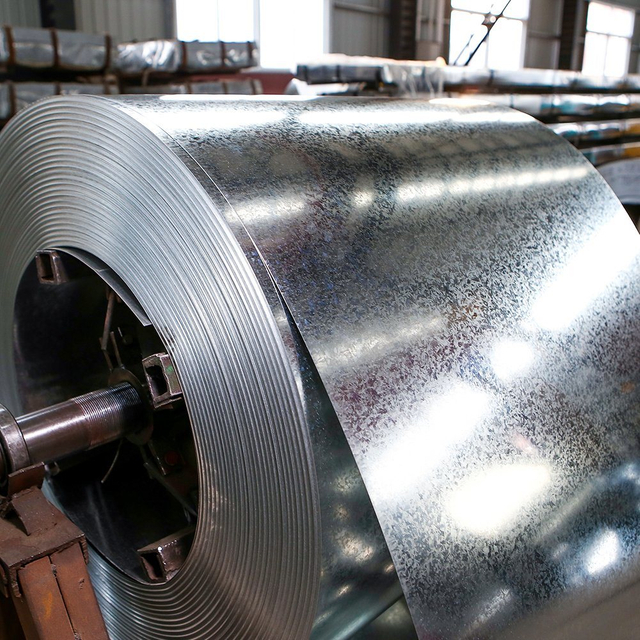
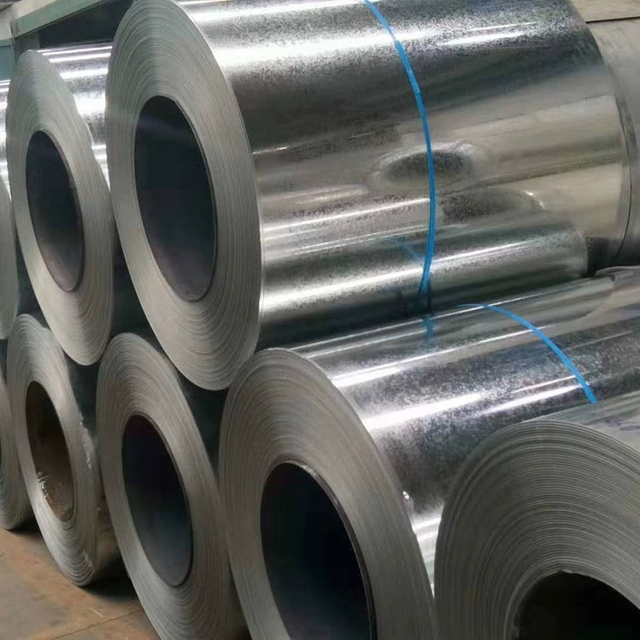
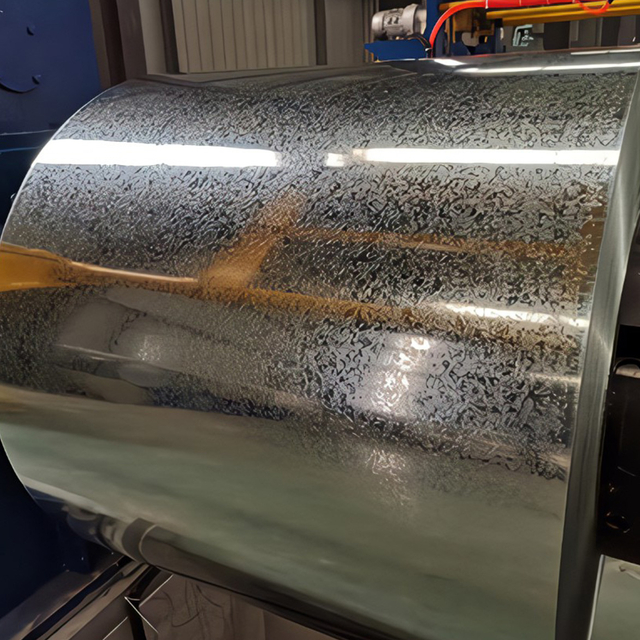
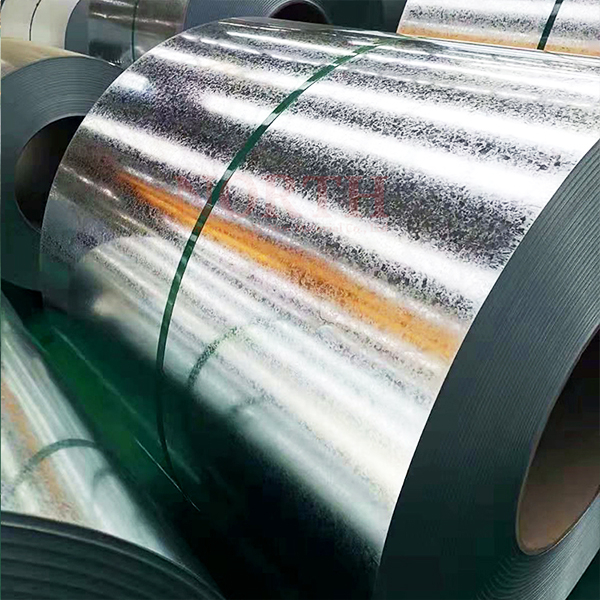
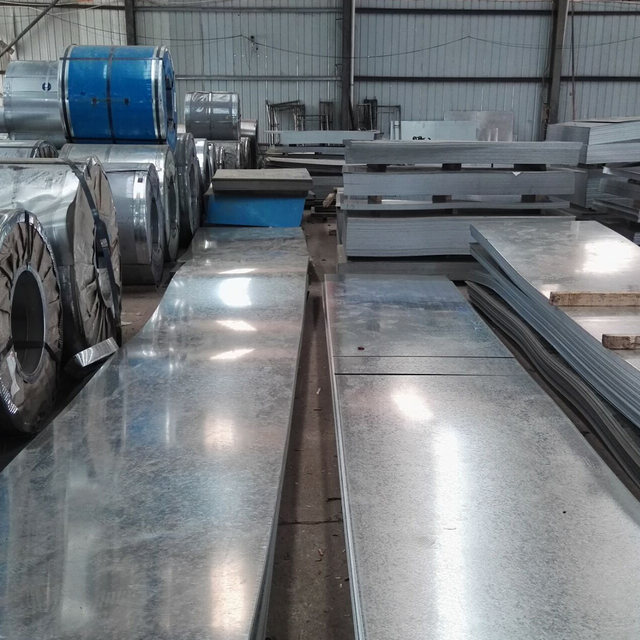
Joining galvanized metal presents a unique manufacturing challenge. You must create a secure, durable seam without destroying the protective zinc coating. Compromising this outer layer often exposes the underlying base metal to rapid rusting and premature joint failure. Yes, you can successfully solder Galvanized Steel for many applications. However, because the zinc surface actively repels standard rosin-core solders, you cannot treat this like basic electrical work. The process requires specific acid-based fluxes and strict temperature control to form a true metallurgical bond.
This article serves as your technical decision guide for mastering this joining method. We will explore how to choose the right consumables and evaluate necessary tooling. You will also learn how to execute the entire process safely without risking exposure to highly toxic fumes. By understanding these material requirements, you can build reliable, watertight joints.
Key Takeaways
Viability: Soldering is highly effective for low-stress sealing and joining, preserving the base metal better than high-heat welding.
Critical Materials: Success hinges on using zinc-chloride-based liquid flux and high-tin alloys (like 60/40 or 40/60).
Safety Imperative: Heating zinc releases toxic fumes; strict ventilation is mandatory to prevent "Metal Fume Fever."
Preparation: Following ASTM A780 guidelines for surface cleaning is non-negotiable for proper solder adhesion.
Evaluating Soldering vs. Alternative Methods for Galvanized Steel
You must determine the mechanical requirements of your joint before committing to any specific process. Every joining technique handles stress, heat, and environmental exposure differently. Soldering provides an excellent solution for watertight seals. However, it remains entirely insufficient for load-bearing structural applications. You must evaluate your project needs carefully.
Soldering vs. Welding
Welding requires you to completely strip away the zinc layer at the joint. The extreme heat alters the physical properties of the surrounding metal. This high-temperature process also creates severe toxic fume hazards during operation. Welding remains the best choice only when you need high-stress structural joints. The strength of a welded seam matches the base metal itself.
Soldering operates at much lower temperatures, typically around 600°F. This lower heat keeps the underlying structural integrity intact. It forms a strong metallurgical bond directly with the existing zinc coating. You do not need to strip the metal bare. This makes soldering ideal for applications like HVAC ductwork, roofing flashing, or custom rain gutters.
Soldering vs. Adhesives
Industrial adhesives avoid heat application entirely. This completely eliminates toxic fume risks and thermal distortion. However, adhesives offer weak, surface-level bonds. These chemical bonds remain highly prone to degradation over time. UV light, moisture, and temperature fluctuations will eventually break adhesives down. Soldering offers a permanent metallic seal.
Joining Method | Operating Temperature | Joint Strength Profile | Ideal Application Scenarios |
Soldering | ~600°F (Low Heat) | Low to Moderate (Watertight) | Flashing, ductwork, low-stress sealing |
Welding | >3000°F (High Heat) | High (Load-bearing) | Structural frames, heavy machinery |
Adhesives | Room Temperature | Low (Surface only) | Temporary holds, dissimilar materials |
Consumables and Tooling Evaluation
Procuring the correct materials dictates the success of your project. Standard electronics soldering kits will immediately fail on galvanized metal. You cannot use basic rosin flux or tiny circuit board irons. The material chemistry demands industrial-grade supplies.
Selecting the Right Flux
Standard rosin flux cannot penetrate tough zinc oxide layers. If you try it, the solder will simply roll off the metal like water on wax. You must specify and use an acid-based or zinc-chloride liquid flux. This aggressive chemical etches the microscopic surface layer. It cleans the oxidation away and allows the molten metal to flow smoothly across the joint.
Choosing the Solder Alloy
You have two primary paths when selecting an alloy. Both options require a high tin content to bond properly with zinc.
Tin/Lead Alloys: We recommend standard 60/40 or 40/60 tin/lead blends for optimal flow. These melt at lower temperatures and fill microscopic gaps easily.
Lead-Free Alternatives: You should evaluate Tin/Silver/Copper alloys for plumbing systems. Environmental compliance regulations often mandate lead-free options. These require slightly higher heat but offer excellent sheer strength.
Heat Source Requirements
Metals act like thermal sponges. The massive heat sink effect of a large galvanized steel sheet or heavy-gauge wire requires substantial thermal output. A standard 40-watt electronics pen will lose all its heat the moment it touches the metal.
You need a heavy-duty, high-wattage soldering iron (100W or higher) for precision sheet work. Alternatively, you can use a standard propane torch for thicker gauges. If you use a torch, you must use precise, sweeping movements. Holding a torch stationary will instantly vaporize the zinc and ruin the workpiece.
Implementation: 5 Steps to Solder Galvanized Steel Coil and Sheet
Executing a flawless seam requires discipline. Skipping steps will result in a weak bond or catastrophic future corrosion. Follow this sequence carefully to ensure long-term durability.
1. Mechanical Surface Preparation
You must adhere strictly to ASTM A780 standards for surface preparation. Use a clean stainless steel wire brush or fine-grit sandpaper. Gently scrub the joint area to remove surface oxidation, dirt, and white rust. You want to create a slightly dull, scuffed texture. Avoid applying heavy pressure. You must not grind completely through the zinc layer down to the bare steel. The solder needs the zinc layer to grip effectively.
2. Chemical Degreasing
Mechanical scrubbing leaves behind microscopic dust. Furthermore, you will often find residual machine oils or anti-rust coatings on a new galvanized steel coil. Wipe the prepared area with a fast-acting commercial degreaser or isopropyl alcohol. Use a lint-free shop towel. You must proceed immediately to the next step once the solvent evaporates. Exposing the bare, cleaned zinc to air for too long invites rapid re-oxidation.
3. Flux Application
Apply a generous coat of your chosen zinc-chloride liquid flux directly to the joint seam. You can use an acid brush to paint it evenly across the targeted area. Ensure the liquid penetrates into any overlapping gaps. The flux will chemically clean the metal as it heats up. Do not spread flux outside the intended joint area, as it is highly corrosive.
4. Heat Application and Solder Flow
Apply your heat source to the base metal itself. Do not apply the flame or iron tip directly to the solder wire. Heat the steel gradually to approximately 600°F. Periodically touch the solder wire to the metal seam. Once the steel reaches the correct temperature, the solder will melt instantly upon contact. Capillary action will automatically draw the liquid metal deep into the seam. Move your heat source along the joint smoothly, letting the flowing metal follow the heat.
5. Post-Solder Neutralization (Critical)
You cannot skip this final step. Acidic flux residue will rapidly corrode the underlying steel if left untreated. Once the joint cools naturally to room temperature, you must mandate a thorough cleaning. Wash the cooled joint vigorously with warm water and a clean, wet cloth. Some operators use a mild baking soda solution to ensure complete acid neutralization. Follow this by drying the area completely with compressed air or a dry towel.
Mitigating Risks: Metal Fume Fever and Overheating
Working with treated metals introduces serious health and material risks. You must respect the inherent dangers of heating zinc. Proper safety protocols separate professional results from dangerous amateur mistakes.
Ventilation & PPE
Zinc behaves dangerously at high temperatures. When zinc reaches vaporization temperatures, it produces a thick, toxic white smoke. Inhaling this smoke causes a severe acute condition known as "Metal Fume Fever." Symptoms mimic a severe flu, including intense chills, body aches, chest pain, and fever. These symptoms typically hit several hours after exposure.
You must demand strict safety protocols. Always wear a well-fitted P100 half-mask respirator designed for welding fumes. A simple paper dust mask offers zero protection against zinc vapor. Furthermore, you must implement forced-air exhaust ventilation in your workspace. Push the fumes away from your breathing zone and pull them safely outside.
Temperature Control
You face a constant risk of applying too much heat, especially when using a propane torch. Zinc melts at roughly 787°F. Torches burn thousands of degrees hotter than this. Overheating the area destroys the zinc coating outside the immediate joint zone. This thermal damage leaves the underlying steel completely bare and vulnerable to rapid rust. Ultimately, burning off the zinc compromises the structural integrity of your entire project. Keep your torch moving constantly to prevent localized overheating.
Quality Assurance and Failure Analysis
You must verify the mechanical and chemical success of your joint before putting the part into service. Proper evaluation prevents costly field failures down the line.
Visual Inspection
You can quickly identify a successful joint through basic visual evaluation. A healthy solder joint should appear smooth, slightly shiny, and fully wetted to the metal edges. The metal should feather perfectly into the base material.
Watch out for common visual defects. Beaded or "balled up" solder indicates a severe problem. This usually means you used insufficient heat or applied inadequate flux. The solder failed to break surface tension and bond. If the joint looks dark, crystalline, or scorched, you applied far too much heat and burned the alloy.
Corrosion Checking
Post-production monitoring matters just as much as the initial inspection. If premature rusting occurs along the seam just days after finishing the project, you have a chemical failure. You can almost always diagnose this as a failure to wash away the corrosive acid flux during the final step. The trapped chlorides simply ate through the zinc and began destroying the steel. You must refine your post-solder neutralization process to fix this.
Conclusion
Soldering remains a highly reliable, proven method for low-stress, water-tight applications. It perfectly balances strong joint creation with material preservation. The process works exceptionally well provided the operator respects the chemical resistance of zinc and uses the correct materials.
To ensure success on your next project, take immediate action on your setup. First, audit your current workspace to guarantee adequate forced-air ventilation capabilities. Second, procure a dedicated zinc-chloride flux and a high-wattage heat source. Finally, always test your heat application on a piece of scrap metal before committing to your final production materials.
FAQ
Q: Can I use a regular electronics soldering iron on galvanized metal?
A: Generally, no. Standard irons lack the thermal mass required to heat large galvanized parts to the required 600°F. The metal sheet pulls the heat away too quickly. A heavy-duty iron (100W+) or a carefully controlled propane torch is absolutely required for success.
Q: Do I have to use leaded solder?
A: No. While 60/40 tin/lead is easiest to work with due to its low melting point and excellent flow, it is not mandatory. Lead-free silver-bearing solders work excellently on zinc coatings, provided your heat source is powerful enough to reach their slightly higher melting points.
Q: Why did my soldered joint rust immediately?
A: This is almost always caused by leaving acid-based flux residue on the metal. The aggressive chlorides in the flux act as an etching agent. They will aggressively eat through both the zinc and steel if not neutralized and washed off with warm water immediately after the joint cools.